
Bussout
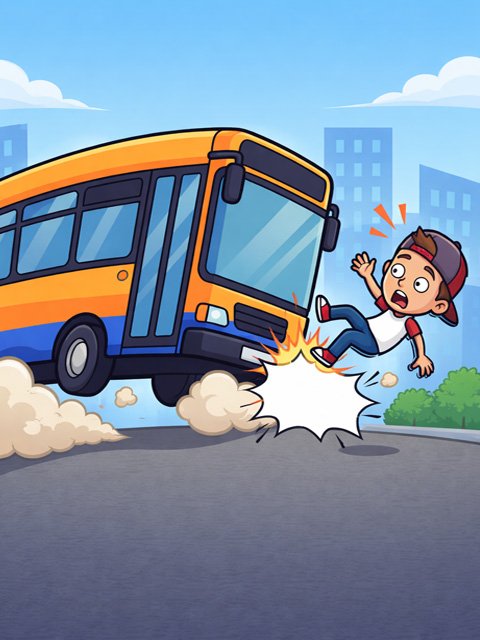
Players race the clock to stop reckless traffic before it hits pedestrians on the zebra crossing. Tap incoming buses and cars to crash them off-lane, save every walker, and chain rescues for combo bonuses across escalating city intersections.
- Rescue Timing
- Hybrid-Casual
Engine
UnityGenre
Hybrid-Casual, Rescue, TimingArt Style
Colorful, stylized low-polyMode
Single playerPlatform
Mobile (Portrait Orientation)See it in action
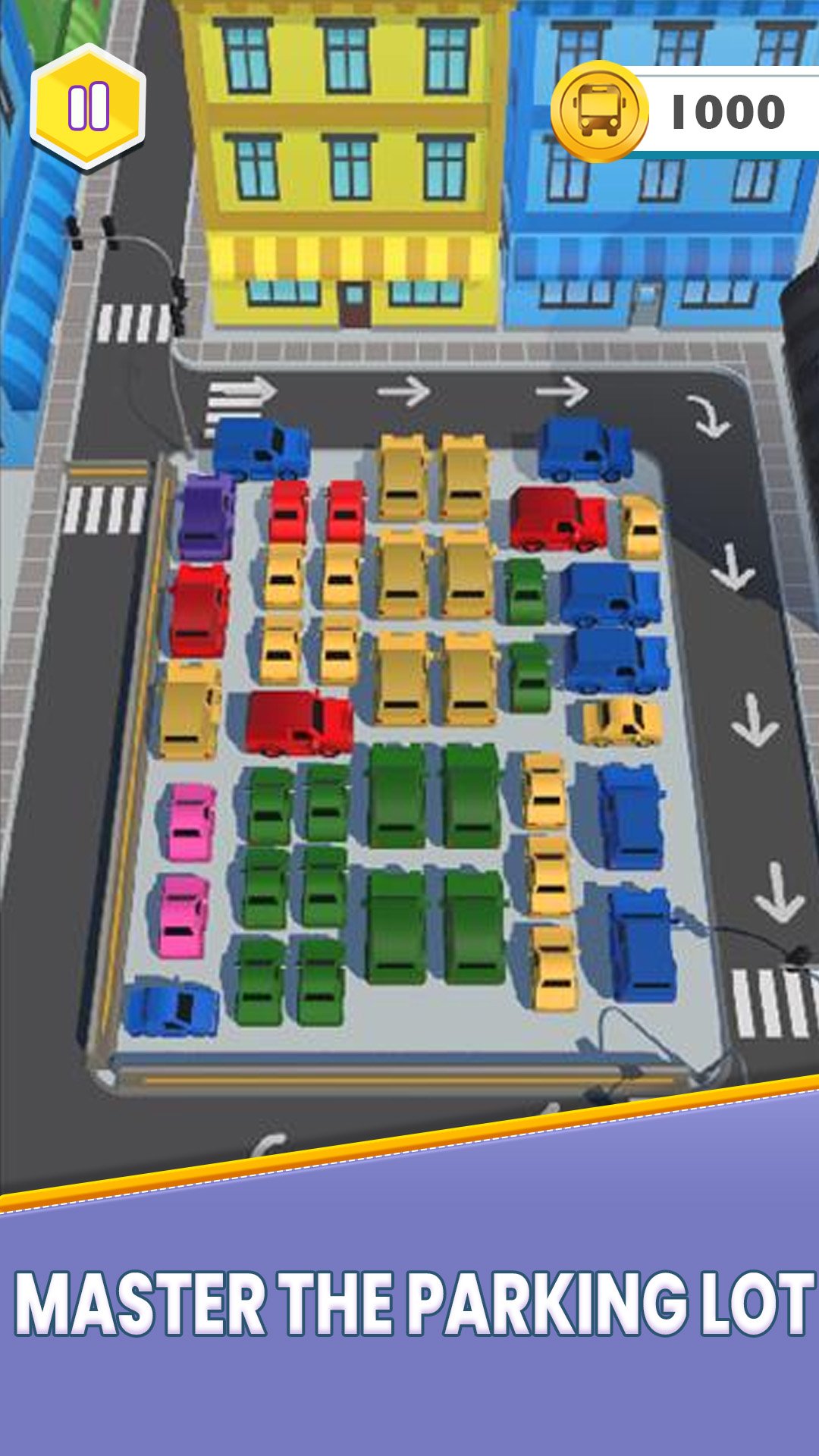
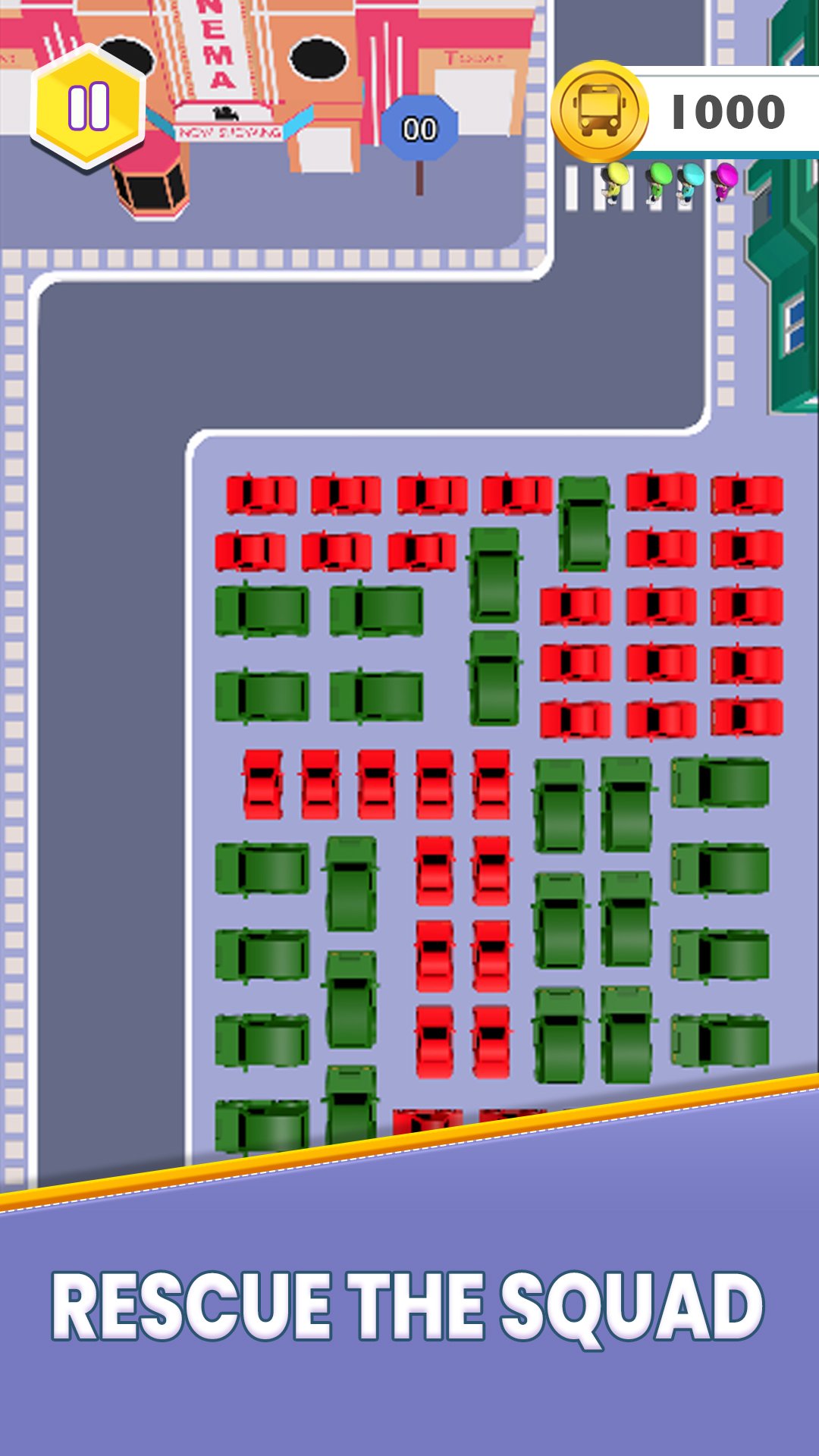
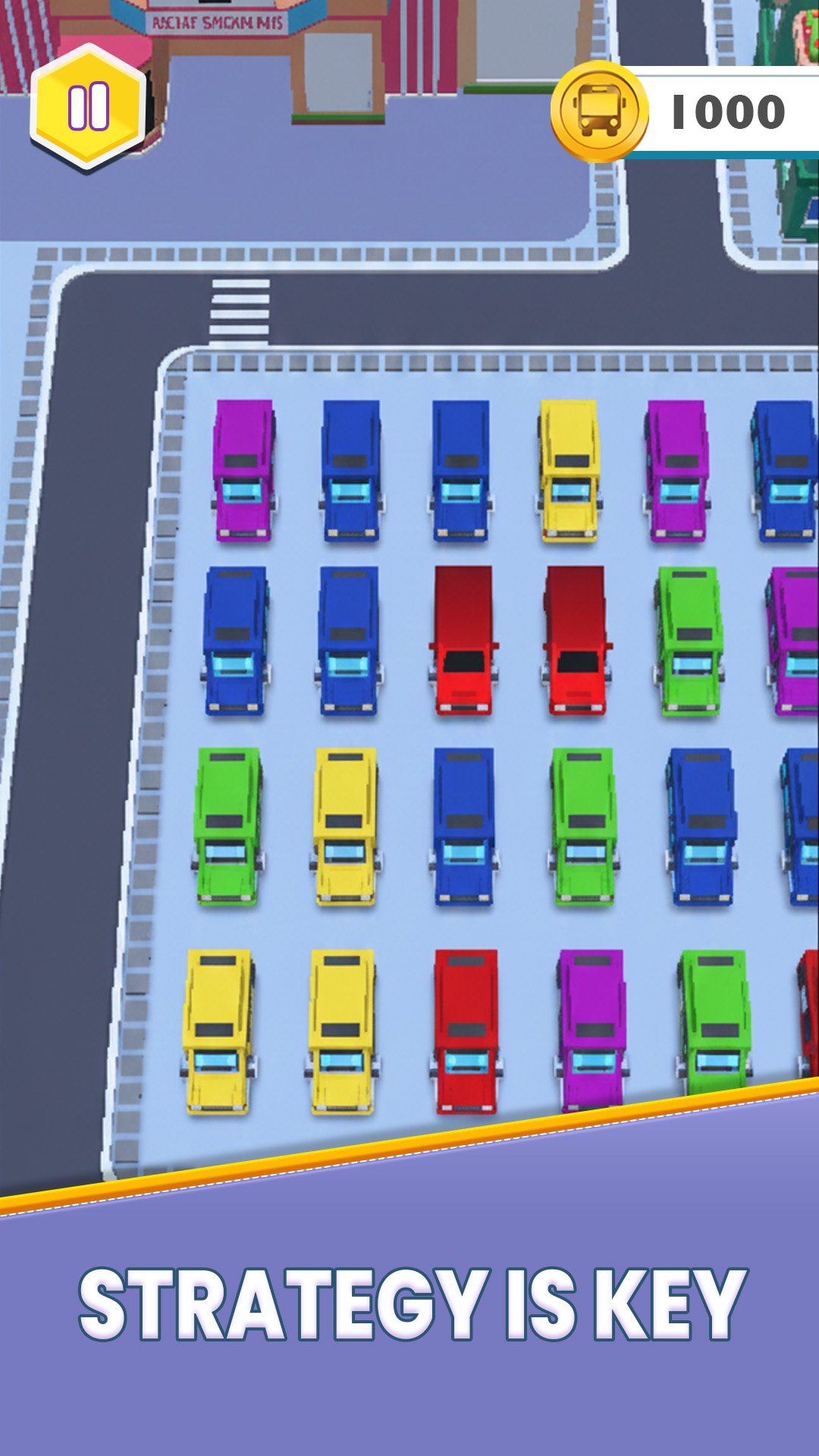
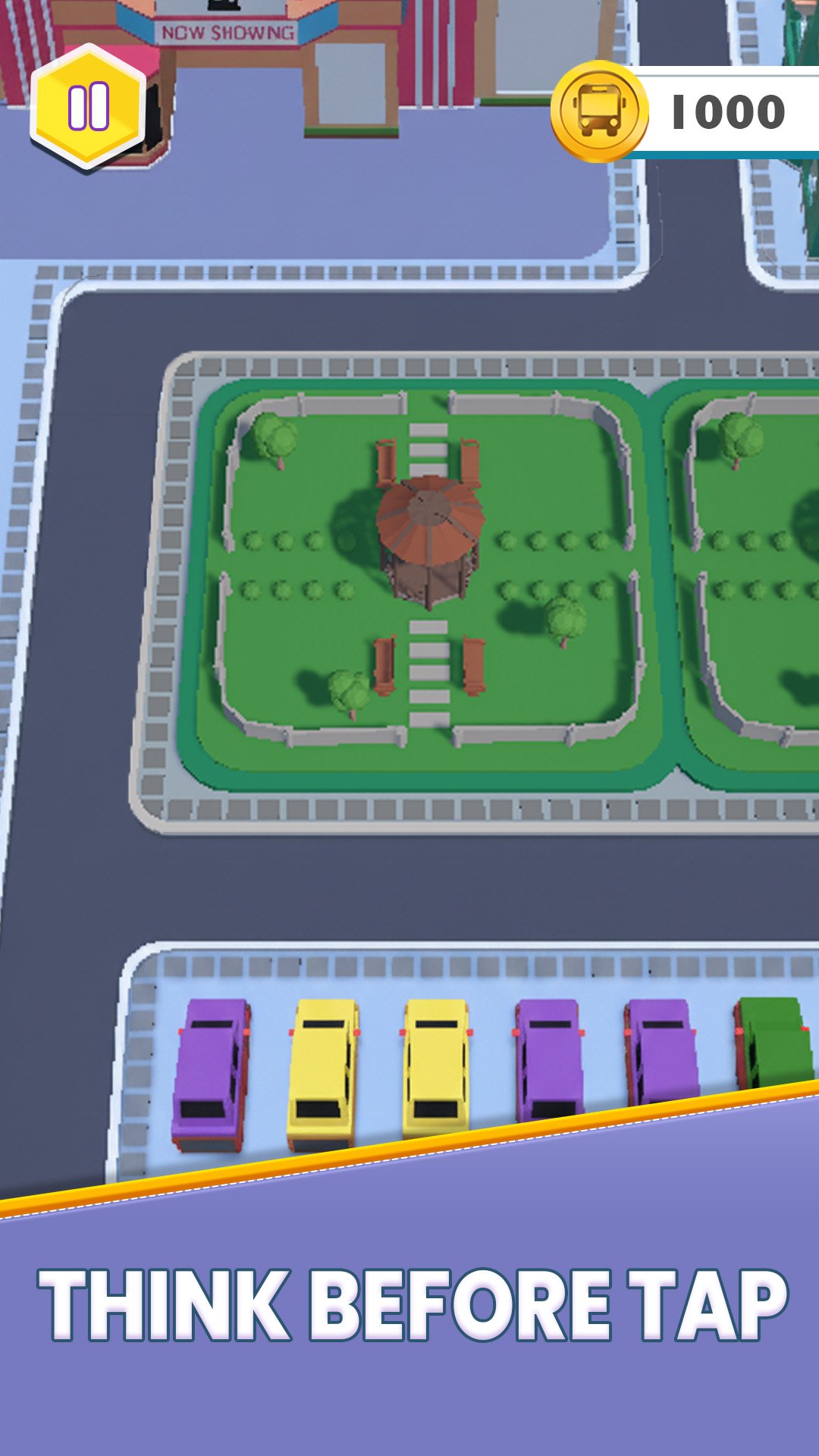
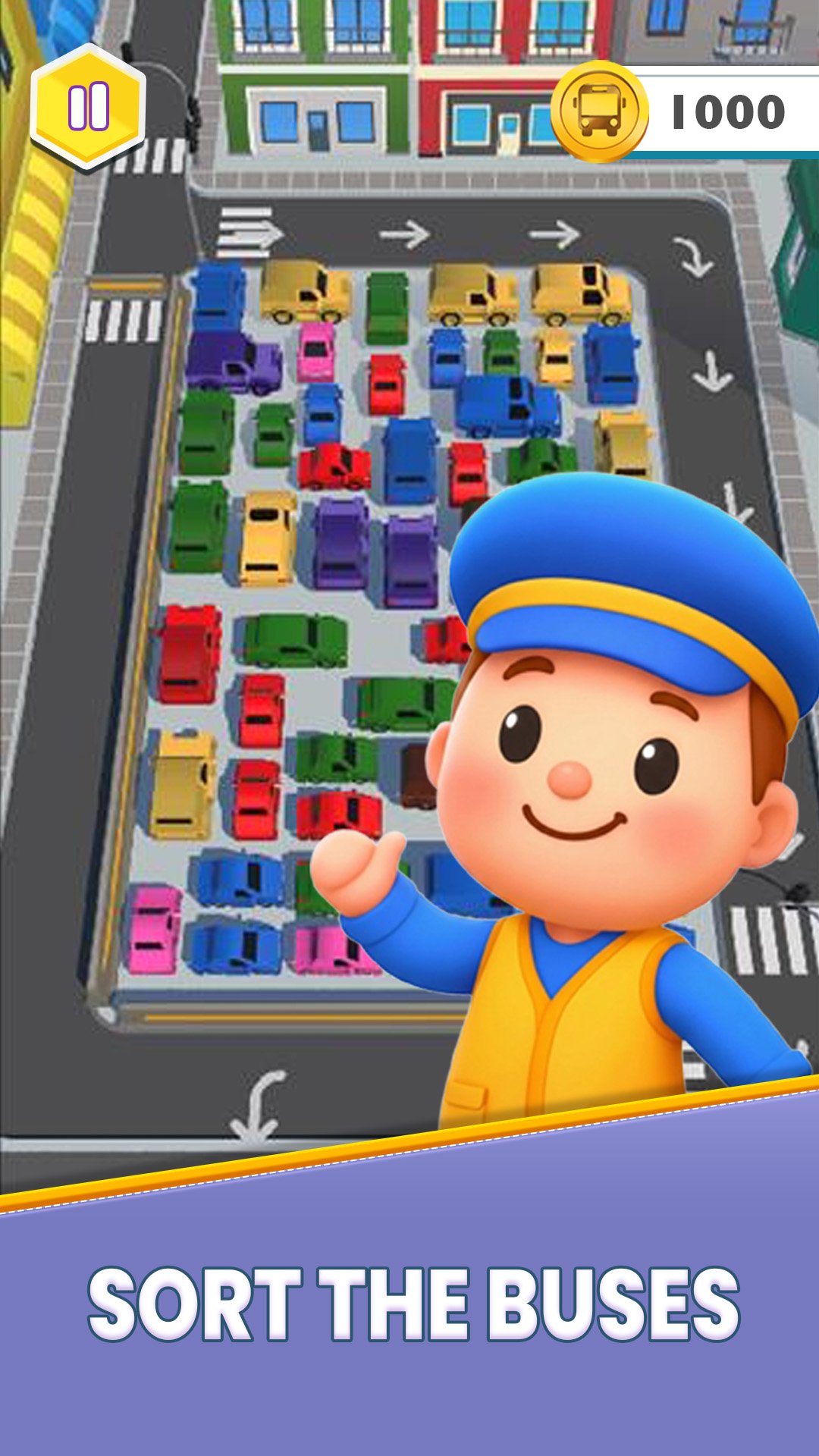
How it plays
Tap-to-Crash Controls
A single tap on any oncoming bus or car forces it to swerve, brake, or crash — the only interaction needed to save pedestrians in time.
Pedestrian Rescue Objective
Pedestrians walk the zebra crossing at their own pace, forcing players to prioritise which threat to stop first when multiple vehicles converge.
Multi-Lane Traffic Flow
Two to four lanes of traffic move at different speeds, so timing a crash means reading the whole road, not just the closest vehicle.
Chain-Crash Combo Multiplier
Saving multiple pedestrians in the same wave without any hit builds a combo multiplier that increases coin rewards at level end.
Diverse Vehicle Types
Buses, delivery trucks, sports cars and scooters each behave differently — mass, braking distance and crash impact vary to keep each intersection fresh.
Reflex & Reaction Upgrades
Coins upgrade reaction time, slow-motion duration and lane control, letting players handle busier intersections as levels progress.
Slow-Motion Rescue Power-Up
Occasional slow-motion power-ups give a brief window to line up chain crashes and rescue tight-margin pedestrians safely.
One-Miss Fail State
Failing to save even one pedestrian ends the run — the tension of a perfect record drives replay and short, focused sessions.
Rescue chaos engineered to stay readable
The Challenge
Dozens of moving vehicles across multiple lanes, pedestrians with independent walk cycles, on-tap physics crashes and a slow-motion camera — all needing to stay perfectly readable and lag-free on mid-range phones.
The Approach
Vehicles run on a lightweight lane-follower with baked splines instead of full physics until a crash triggers. Pre-fractured crash meshes are pooled and swapped in on tap, so impacts are visual set pieces without live rigidbody spawning. Pedestrian AI uses a simple state machine, and slow-motion is a time-scale swap rather than a re-simulation.
The Result
Every tap lands within a frame, crashes look dramatic without stuttering, and the zebra crossing stays perfectly readable even when a dozen vehicles are converging at once.
Shipped and store-ready

Have a game like this in mind?
From first spark to store-ready launch — bring your idea, we'll bring the engineering.