
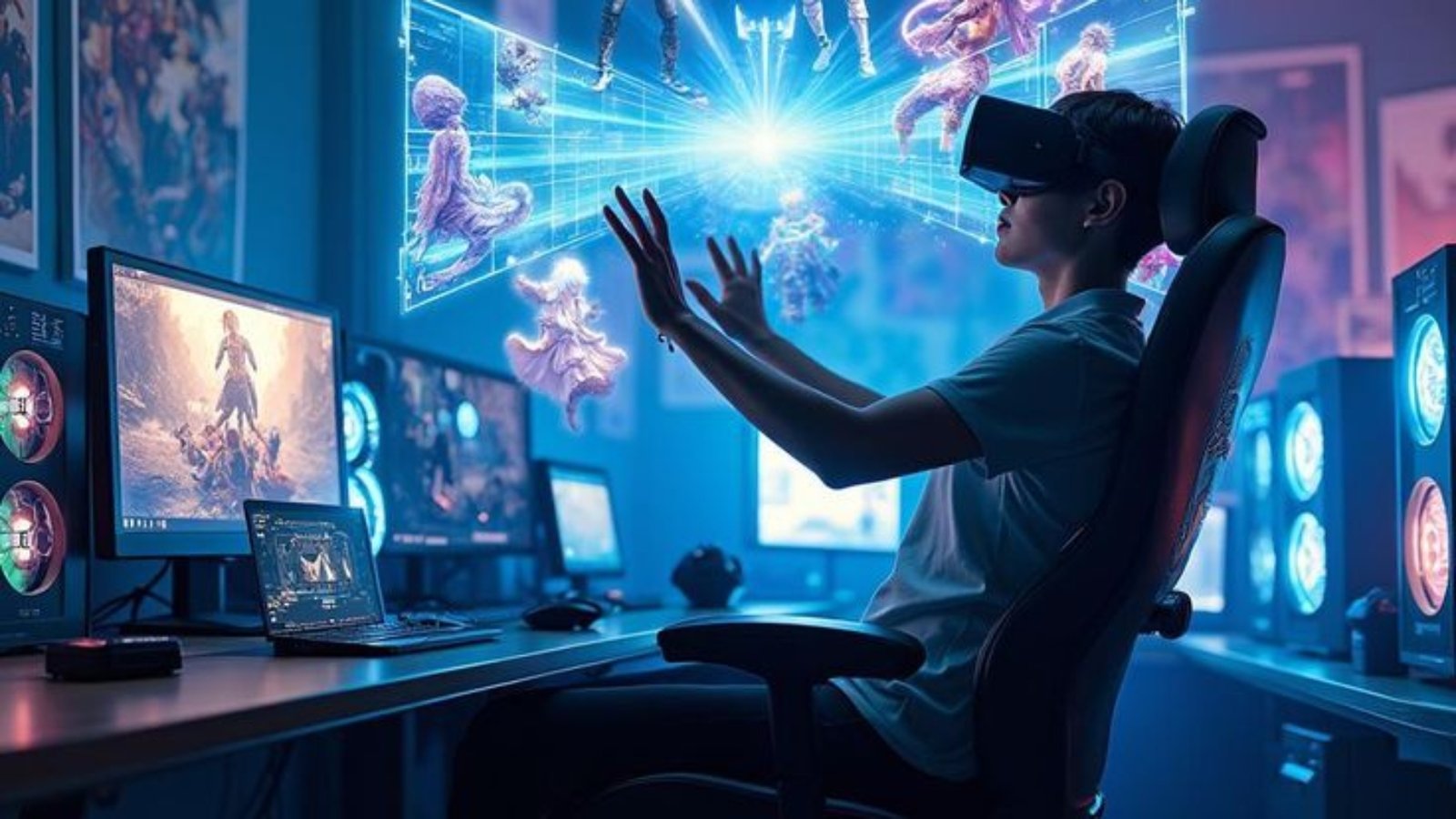
Video Game Concept Art: What is it?
Video game concept art is more than just visuals — it’s the backbone of a game’s creative process. It lays the foundation for the game’s narrative, characters, environments, and overall aesthetic. Concept art establishes the visual direction and ensures consistency across the development process, making it an essential tool for game designers and developers. Whether designing futuristic cities, mythical creatures, or intricate props, concept art shapes the game’s identity and engages players even before they start playing.

Why is Video Game Concept Art Important?
- Establishing a Visual Identity — determines a game’s visual tone, defining colors, lighting, and mood so all assets fit seamlessly within the game’s world.
- Enhancing Player Engagement — compelling visuals captivate players and build anticipation through marketing materials, trailers, and cutscenes.
- Facilitating Team Communication — a shared reference for developers, artists, and designers that minimizes misunderstandings.
- Reducing Development Errors — detailed references help avoid inconsistencies, saving time and costly revisions.
- Guiding Asset Creation — 3D artists, animators, and texture designers rely on concept art for accurate game assets.
- Supporting Narrative Development — brings a game’s story to life visually, reinforcing themes and world-building.
Types of Video Game Concept Art
- Character Concept Art — defines a character’s appearance, personality, and attire.
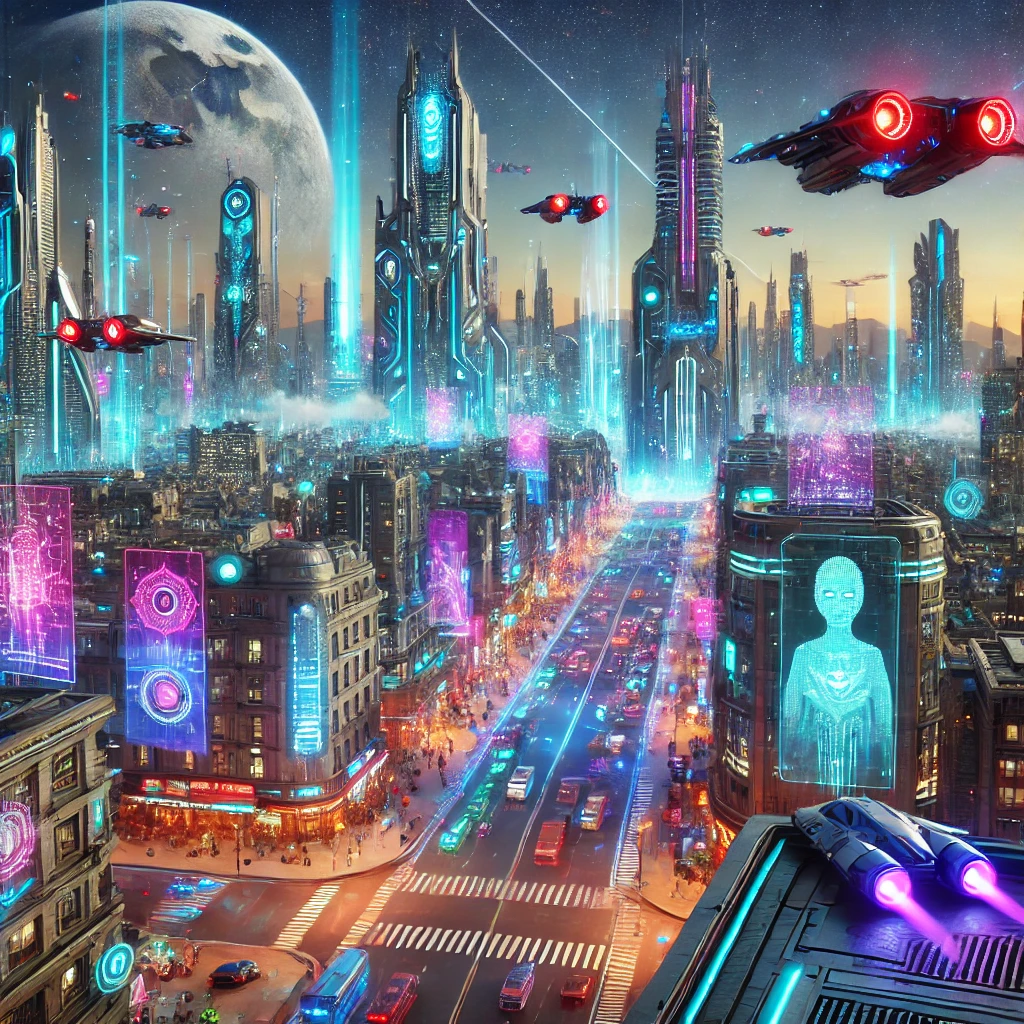
- Environment Concept Art — depicts landscapes, architecture, and ambiance.
- Prop Concept Art — designs in-game objects like weapons, tools, and decorative elements.
- Vehicle Concept Art — designs in-game transportation fitting the game’s setting and physics.
- UI Concept Art — develops menus, buttons, and HUDs to enhance player interaction.

Tips for Creating Effective Concept Art
- Study the Design Brief — understand the game’s theme, setting, and player demographics first.
- Conduct Research — study real-world references, historical periods, and artistic styles.
- Start with Basic Sketches — explore different ideas before finalizing.
- Show Multiple Angles — help developers understand how designs translate into 3D.
- Define Mood and Style — use color palettes and lighting to evoke the right emotions.
- Incorporate Detailed Textures — enhance believability.
- Gather Feedback and Iterate — refine designs with input from developers and artists.
Conclusion
Video game concept art is the cornerstone of game development, influencing aesthetics, narrative, and gameplay. Investing in high-quality concept art ensures a visually cohesive and immersive experience that captivates players. Whether you’re creating a hyper-realistic RPG or a stylized mobile game, concept art serves as the blueprint for bringing your game to life.
Turn Your Game’s Vision into Masterpieces – Let’s Talk!
More from the blog
How to Reduce Latency in the Game Art Pipeline: Optimizing Workflow for Faster Production
Want these insights on your build?
The engineers writing these articles are the ones who would work on your game.